
In today’s digital world, tools like Quizlet are transforming how we engage with information. From flashcards to study games, Quizlet is one of the most popular platforms for students, professionals, and even those navigating personal growth. But what role can these platforms play in addiction recovery?
At Phoenix Rising Recovery Center in Palm Springs, California, we believe in integrating tools that promote brain health, memory retention, and cognitive restructuring. Let’s explore how digital learning platforms like Quizlet might support—or hinder—mental wellness in recovery.
What Is Quizlet?
Quizlet is a free digital study app that offers flashcards, practice quizzes, matching games, and more. It’s used widely by students to reinforce knowledge across subjects, including languages, science, and even mental health terminology[1].
But beyond classrooms, Quizlet and other cognitive training tools are showing promise in recovery-oriented environments.
The Brain in Recovery: Why Cognitive Engagement Matters & How Quizlet Supports It
Substance use disorders can impair several areas of the brain, especially those related to memory, learning, and executive functioning[2]. That’s why many addiction recovery programs, including ours at Phoenix Rising, incorporate cognitive rehabilitation techniques into treatment.
Digital tools like Quizlet can:
- Reinforce treatment concepts like coping skills, relapse prevention, and mindfulness techniques.
- Help patients rebuild memory and focus.
- Engage users in self-paced learning that reinforces therapeutic outcomes.
When clients use apps like Quizlet to study recovery terminology or mental health frameworks (like CBT or DBT tools), they often gain:
- Greater retention of recovery education
- Improved self-efficacy in managing their condition[3]
- Increased engagement with their treatment process
Risks of Overuse or Distraction with Quizlet
While Quizlet has potential benefits, it’s essential to recognize that not all screen time is helpful. In recovery, individuals often learn to set boundaries with digital devices to reduce overstimulation and manage screen-related anxiety or dependency[4].
Overuse of platforms like Quizlet—especially when misused as a distraction—can:
- Interfere with mindfulness and presence
- Contribute to avoidance behaviors
- Disrupt group or in-person therapeutic engagement
At Phoenix Rising, we coach clients on healthy tech use and balance.
How Phoenix Rising Integrates Cognitive Tools like Quizlet into Recovery
Our holistic, evidence-based approach embraces cognitive stimulation as part of the healing journey. This includes:
 Neurofeedback and cognitive training to rebuild brain function
- Mindfulness-based stress reduction (MBSR) practices
- Educational modules using both analog and digital tools[5]
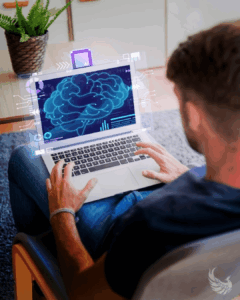
If a client resonates with using Quizlet-style learning, our clinicians may re
commend it as a supplemental tool—for example, creating flashcards for relapse triggers or self-affirmations.
Why It Matters: Learning as a Lifelong Recovery Skill
Recovery isn’t just about abstaining—it’s about learning. Clients who stay curious, engaged, and open to growth often build the strongest foundations for long-term sobriety.
Tools like Quizlet remind us that learning can be fun, customizable, and empowering. When used intentionally, these platforms can:
- Promote healthy routines
- Strengthen neural pathways
- Create positive reinforcement loops[6]
At Phoenix Rising, we celebrate every resource that helps clients rise beyond addiction.
Rise with Cognitive Strength at Phoenix Rising
Whether it’s building new coping mechanisms, restoring memory, or simply learning something new, recovery is deeply connected to how we engage with our minds. At Phoenix Rising Recovery Center, we help individuals rediscover their cognitive potential and rewire their thinking—one step at a time.
If you’re ready to rebuild your mind, body, and spirit, we’re here to help. Contact us today to learn more about our holistic recovery programs in Palm Springs.
FAQs
Can Quizlet be used in addiction treatment?
Yes, when used mindfully, Quizlet can reinforce educational content from therapy and build mental resilience.
Is Quizlet a substitute for therapy?
No. It’s a supplemental tool that supports—but never replaces—professional treatment.
Are there apps better suited for mental health than Quizlet?
Yes. Apps like MoodKit, Headspace, and CBT Thought Record Diary are designed specifically for mental health, but Quizlet can still play a role in reinforcing recovery content.
Should I use digital tools during rehab?
With guidance from clinicians, digital tools can be used constructively. Phoenix Rising helps clients create healthy digital habits.
Sources
[1] Quizlet. (n.d.). About Quizlet. https://quizlet.com/mission
[2] National Institute on Drug Abuse. (2020). Drugs, Brains, and Behavior: The Science of Addiction. https://nida.nih.gov/publications/drugs-brains-behavior-science-addiction
[3] Sattler, D. N., & Highsmith, S. (2012). Enhancing memory and learning in recovery. Journal of Addictions Nursing, 23(2), 74-80.
[4] American Psychological Association. (2023). Managing Screen Time. https://www.apa.org/news/press/releases/stress/2023/screen-time
[5] Substance Abuse and Mental Health Services Administration (SAMHSA). (2022). Recovery and Recovery Support. https://www.samhsa.gov/find-help/recovery
[6] Harvard Health Publishing. (2021). Retraining the brain through neuroplasticity. https://www.health.harvard.edu/blog/retraining-the-brain-through-neuroplasticity-202102112195