
Key Points
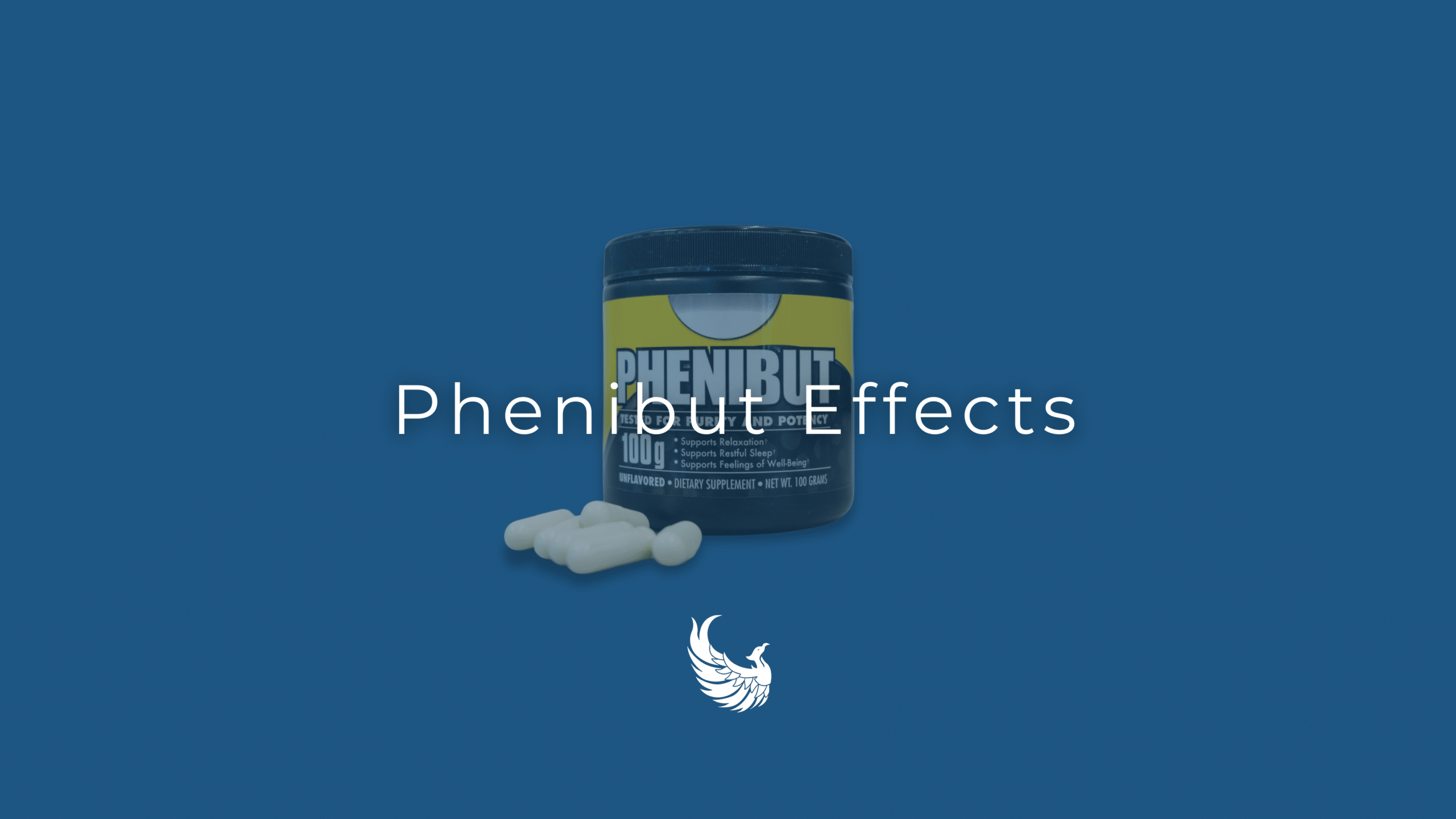
- What Is Phenibut? Phenibut is a synthetic central nervous system depressant marketed for relaxation, anxiety relief, sleep, and cognitive enhancement.
- Gas Station Availability: Phenibut has appeared in products sold at convenience stores, smoke shops, gas stations, and online retailers, sometimes under supplement-style branding.
- FDA Warning: In April 2026, the FDA warned consumers about Addall XR Shot and Addall XL after testing identified unlawful and undeclared ingredients, including phenibut in Addall XR Shot.
- Addiction and Withdrawal: Regular phenibut use can lead to tolerance and physical dependence. Withdrawal may involve severe anxiety, insomnia, hallucinations, and potentially life-threatening complications.
- How Phoenix Rising Helps: Phoenix Rising Recovery offers addiction treatment and dual diagnosis services in Southern California, helping people address substance dependence and related mental health concerns.
Walk into certain gas stations or smoke shops, and you’ll find products promising better focus, less anxiety, more energy, or a calmer mood. Some are packaged like ordinary supplements, while others resemble energy shots or over-the-counter medications. What isn’t always obvious is that some of these products contain substances capable of causing serious physical dependence.
Phenibut is one of those substances. Although it has been marketed as a nootropic or relaxation aid, it affects the brain in ways that can make repeated use difficult to stop. For someone taking it to manage anxiety or sleep problems, the experience can change from occasional relief to needing the substance just to feel normal.
In September 2026, the American Association of Psychiatric Pharmacists specifically identified phenibut among the unregulated products sold through gas stations and other retail outlets that warrant greater attention.
What Is Phenibut?
Phenibut, chemically known as beta-phenyl-gamma-aminobutyric acid, is a synthetic compound developed in the Soviet Union during the 1960s. It is structurally related to gamma-aminobutyric acid (GABA), a neurotransmitter responsible for helping regulate activity throughout the nervous system.
Unlike ordinary GABA supplements, phenibut can cross the blood-brain barrier and produce noticeable central nervous system effects. It acts primarily on GABA-B receptors, reducing certain types of neural activity and potentially producing sedation, relaxation, and reduced anxiety.
Phenibut has been used medically in some countries, but it is not approved by the U.S. Food and Drug Administration to treat anxiety, depression, insomnia, ADHD, or any other medical condition.
Despite this, it has been marketed under descriptions such as:
- Nootropic or cognitive enhancement supplement
- Stress and anxiety relief product
- Social relaxation aid
- Sleep support supplement
- Mood enhancement formula
- Focus and productivity supplement
The issue is not simply that phenibut produces psychoactive effects. It is that some consumers may believe they are purchasing an ordinary wellness product without recognizing the potential for dependence, intoxication, and dangerous withdrawal.
Why Is Phenibut Called a Gas Station Drug?
The term “gas station drug” generally describes psychoactive substances sold outside traditional pharmacies and regulated cannabis dispensaries. These products may appear alongside energy drinks, herbal supplements, nicotine products, or other convenience-store merchandise.
Phenibut has appeared in products marketed through these channels, although formulations and availability change over time. The National Capital Poison Center identifies historical phenibut-containing products including Red Dawn, Sleep Walker, Kavinace, and other supplement brands. Some products have subsequently been reformulated, so a historical association does not establish what a current version contains.
This retail environment creates a particular challenge. Consumers may associate products sold openly in stores with a level of safety or regulatory approval that they do not actually have.
The 2026 FDA Warning About Addall XR
On April 3, 2026, the FDA published a safety alert concerning Addall XR Shot and Addall XL dietary supplement products.
According to FDA laboratory findings:
- Addall XR Shot: Testing found phenibut and undeclared 1,4-DMAA.
- Addall XL Capsules: Testing identified DMHA and undeclared 1,4-DMAA.
- Distribution: The products had been sold online and at retail locations, including gas stations and convenience stores.
- Health Concerns: The FDA identified neurological effects, addiction potential, and cardiovascular risks associated with the substances detected.
The FDA recommended that consumers avoid these products. Importantly, the findings do not mean that every product with similar branding contains the same ingredients, but they demonstrate why marketing claims and product labels cannot always be relied upon.
Phoenix Rising has previously covered the marketing concerns surrounding Addall XR and its similarity to prescription ADHD medications. Phenibut presents a related but distinct issue because of its potential to cause central nervous system depression and severe withdrawal.
What Does Phenibut Feel Like?
People who use phenibut commonly describe feeling calmer, more sociable, less inhibited, or more comfortable in situations that would ordinarily trigger anxiety. Some report improved sleep or a temporary sense of emotional relief.
These effects help explain why phenibut may appeal to people struggling with social anxiety, chronic stress, or insomnia. However, the effects are not consistently predictable, and the same substance that initially creates relaxation can produce serious neurological and psychological complications.
Potential effects and side effects include:
- Sedation and drowsiness
- Reduced anxiety or social inhibition
- Dizziness and poor coordination
- Nausea and vomiting
- Confusion and impaired judgment
- Irritability or agitation
- Impaired balance
- Reduced consciousness in severe intoxication
Higher exposures or combinations with other depressant substances can increase the risk of respiratory depression, unconsciousness, and other medical emergencies.
Can You Get Addicted to Phenibut?
Yes. Phenibut can produce tolerance, physical dependence, and patterns of compulsive use, particularly when someone takes it repeatedly or increases the amount consumed.
Tolerance occurs when the brain adapts to repeated exposure and the same amount no longer produces the desired effect. Physical dependence develops when the nervous system has adjusted to the substance and reacts negatively when exposure decreases.
Imagine someone begins taking phenibut occasionally to get through stressful social situations. Initially, they feel relaxed and confident. Eventually, they begin using it more frequently, perhaps before work or at bedtime, because anxiety or insomnia returns when they do not take it.
Over time, the original reason for using phenibut can become difficult to separate from symptoms of dependence. Someone may believe their underlying anxiety is getting worse when they are actually experiencing withdrawal between uses.
Physical dependence does not automatically mean someone has a substance use disorder. However, escalating use, cravings, difficulty stopping, and continued consumption despite harmful consequences are important warning signs.
Phenibut Withdrawal: Why Stopping Can Be Dangerous
One of phenibut’s most concerning characteristics is the potential severity of withdrawal.
When the nervous system adapts to repeated exposure to a depressant substance, suddenly removing that substance can cause an increase in nervous system activity. With phenibut, this may produce intense physical and psychological symptoms.
A 2024 systematic review of phenibut withdrawal cases examined published reports of withdrawal and documented severe presentations involving agitation, hallucinations, and other symptoms requiring medical evaluation.
Common Phenibut Withdrawal Symptoms
Symptoms reported in the medical literature include:
- Severe or rebound anxiety
- Panic attacks
- Insomnia
- Restlessness and agitation
- Tremors
- Increased heart rate or palpitations
- Sweating
- Nausea
- Irritability and emotional instability
- Confusion
- Hallucinations
- Delirium or psychosis
- Seizures in severe cases
Withdrawal severity varies considerably. Not everyone experiences life-threatening symptoms, but it can be difficult to predict who will develop serious complications.
How Long Does Phenibut Withdrawal Last?
There is no single, medically established phenibut withdrawal timeline. Symptoms may emerge within hours to days after stopping, depending on the frequency of use, amount consumed, individual health factors, and whether other substances are involved.
Published reports describe substantial variation in how long symptoms last. Anxiety, agitation, and insomnia may persist beyond the initial period of withdrawal, particularly when the person also has an underlying mental health condition.
Unlike alcohol or benzodiazepine withdrawal, phenibut withdrawal does not have a widely standardized medical treatment protocol. This makes accurate disclosure of product use and professional assessment especially important.
Anyone who has become physically dependent on phenibut should seek medical guidance before attempting to stop abruptly. Hallucinations, seizures, severe confusion, or extreme agitation require emergency medical attention.
Phenibut vs. Tianeptine vs. 7-OH: Are These Gas Station Drugs the Same?
Phenibut is sometimes discussed alongside tianeptine and 7-hydroxymitragynine (7-OH), but these substances are not interchangeable.
| Substance | Primary Pharmacological Effects | Major Concerns |
|---|---|---|
| Phenibut | GABA-B receptor activity and central nervous system depression | Dependence, sedation, severe withdrawal, delirium |
| Tianeptine | Opioid receptor activity, particularly at higher exposures | Opioid-like dependence, overdose, withdrawal |
| 7-OH | Potent opioid receptor agonism | Opioid toxicity, physical dependence, withdrawal |
Tianeptine is sometimes called “gas station heroin,” while concentrated 7-OH products are marketed under various kratom-related names. All three can involve dependence, but the medical considerations surrounding intoxication and withdrawal differ.
For example, 7-OH and related products are discussed in the context of opioid activity, while phenibut’s effects are primarily associated with inhibitory neurotransmission.
Understanding what someone has actually consumed matters when developing an appropriate treatment plan. A product’s appearance, nickname, or marketing category is not enough to determine how it should be managed medically.
Is Phenibut Legal in California?
Phenibut is not federally scheduled as a controlled substance in the same manner as many prescription sedatives or illicit drugs. However, that does not mean it is an FDA-approved medication or a lawful dietary supplement ingredient.
The FDA has specifically determined that phenibut does not meet the legal definition of a dietary ingredient. Products marketed as dietary supplements that declare phenibut as an ingredient are therefore considered misbranded under federal law.
Consumers in California should also recognize that retail availability does not establish compliance with applicable laws. Product formulations, labeling practices, and distribution methods can create additional regulatory issues.
More importantly, the legal status of a substance says relatively little about its safety. Physical dependence and withdrawal are medical concerns regardless of whether a product is sold over the counter.
Can Phenibut Make Anxiety Worse?
Yes, especially when someone develops tolerance or physical dependence.
Phenibut’s initial appeal often comes from its calming effects. However, frequent use can create a cycle in which the person experiences increasing anxiety, restlessness, or sleep disturbances as the effects wear off.
This becomes particularly complicated for individuals who already live with generalized anxiety disorder, panic disorder, trauma-related symptoms, or other mental health conditions.
Someone may begin relying on phenibut to manage symptoms they have never received treatment for. When withdrawal develops, they may increase consumption because they believe they need stronger anxiety relief.
In these situations, addressing the substance use alone may not resolve the underlying problem. A comprehensive approach to anxiety and addiction treatment can help identify whether symptoms are related to the substance, an underlying disorder, or both.
Is Mixing Phenibut With Alcohol or Other Drugs Dangerous?
Combining phenibut with other central nervous system depressants can substantially increase the risk of adverse effects.
Particularly concerning combinations include alcohol, benzodiazepines, opioids, and certain sedating medications. These substances can have additive effects on alertness, coordination, and breathing.
A person may not recognize the danger if they regard phenibut as a supplement rather than a psychoactive drug. This is especially relevant when it is incorporated into a multi-ingredient product that may not clearly disclose every active substance.
If someone becomes unresponsive, experiences slow or abnormal breathing, or cannot be awakened, call 911 immediately. Naloxone can reverse opioid-related respiratory depression, but it is not a specific antidote for phenibut; it should still be administered when opioid exposure is possible.
For suspected poisoning, the U.S. Poison Control number is 1-800-222-1222.
How Is Phenibut Withdrawal Treated?
Treatment depends on the person’s symptoms, pattern of use, medical history, and whether alcohol or other substances are involved.
A medical professional may need to evaluate the risk of severe withdrawal, determine whether a monitored setting is appropriate, and address complications such as dehydration, sleep deprivation, agitation, or seizures.
Published case reports describe several medication-based approaches, but there is no universally accepted or FDA-approved phenibut withdrawal regimen. Medications described in case literature should not be interpreted as safe substitutes for self-directed treatment.
For people struggling with repeated use, medical detox assessment can help determine the appropriate level of care. Severe phenibut intoxication or withdrawal may require hospital-based treatment before a person is medically stable enough to enter a residential recovery program.
Once the acute medical concerns have been addressed, ongoing treatment may focus on the factors that contributed to substance use in the first place.
These may include anxiety, insomnia, chronic stress, trauma, or patterns of using psychoactive substances to regulate emotions.
Phenibut Addiction Treatment at Phoenix Rising Recovery
At Phoenix Rising Recovery, we recognize that substance use does not always begin with an illicit drug or a prescription medication. Sometimes it begins with a product someone purchased believing it could help them sleep better, feel less anxious, or get through a difficult day.
That distinction matters because people struggling with phenibut dependence may not immediately recognize their experiences as substance-related. They may instead notice worsening sleep, increasing anxiety, or feeling unable to function without the product.
Our team provides comprehensive addiction treatment in the Palm Springs area, including assessment, residential care, outpatient services, and support for co-occurring mental health conditions.
Through our dual diagnosis treatment services, we help individuals address both substance use and the emotional or psychiatric challenges associated with it. The appropriate level of care depends on each person’s clinical needs, and medically complex phenibut withdrawal may require hospital stabilization before rehabilitation.
If phenibut or another gas station drug has become something you depend on, contact Phoenix Rising Recovery at 866-985-1103 to discuss your situation and available treatment options.
Frequently Asked Questions About Phenibut
Is Phenibut the Same as Xanax?
No. Phenibut and Xanax (alprazolam) both affect inhibitory signaling in the nervous system, but they are chemically and pharmacologically different. Xanax is a prescription benzodiazepine, while phenibut is not FDA-approved for medical treatment in the United States.
Can You Overdose on Phenibut?
Yes. Serious intoxication can cause confusion, impaired coordination, reduced consciousness, respiratory depression, and coma. Combining phenibut with alcohol or other sedating drugs can increase the danger.
Does Phenibut Show Up on a Drug Test?
Phenibut is not typically included in standard workplace urine drug screening panels. Specialized laboratory testing may identify it, but routine tests generally are not designed to detect it. A negative routine drug test does not rule out phenibut intoxication.
Can Phenibut Withdrawal Cause Psychosis?
Yes. Hallucinations, severe confusion, delirium, and psychotic symptoms have been reported during phenibut withdrawal. These symptoms require urgent medical assessment because they may indicate a serious withdrawal complication or another medical emergency.
Is Phenibut Safer Than Alcohol or Benzodiazepines?
Phenibut should not be assumed to be safer simply because it is sold without a prescription. It has its own dependence, intoxication, and withdrawal risks, and combining it with alcohol or benzodiazepines can be particularly dangerous.
Should I Stop Taking Phenibut Cold Turkey?
If you have been using phenibut regularly and may be physically dependent, speak with a medical professional before abruptly stopping. Sudden withdrawal can sometimes cause severe complications, and the safest approach depends on your individual circumstances.
Sources
American Association of Psychiatric Pharmacists. (2026, September). AAPP releases policy ask related to gas station drugs and unregulated wellness products. https://aapp.org/perspective/2026/09/801090
Klein-Schwartz, W. (n.d.). Phenibut: A recreational drug with abuse potential. National Capital Poison Center. https://www.poison.org/articles/phenibut-a-recreational-drug-with-abuse-potential
Penzak, S. R., & Bulloch, M. (2024). Phenibut: Review and pharmacologic approaches to treating withdrawal. The Journal of Clinical Pharmacology, 64(6), 652–671. https://doi.org/10.1002/jcph.2414
Stewart, C., Simonsen, H., Satyasi, S. K., Ashraf, N., & Sukpraprut-Braaten, S. (2024). A systematic review of phenibut withdrawals. Cureus, 16(9), Article e68775. https://doi.org/10.7759/cureus.68775
U.S. Food and Drug Administration. (n.d.). Phenibut in dietary supplements. https://www.fda.gov/food/information-select-dietary-supplement-ingredients-and-other-substances/phenibut-dietary-supplements
U.S. Food and Drug Administration. (2026, April 3). FDA advises consumers, retailers, and distributors not to eat, sell, or distribute Addall XR Shot or Addall XL dietary supplements. https://www.fda.gov/food/alerts-advisories-safety-information/fda-advises-consumers-retailers-and-distributors-not-eat-sell-or-distribute-addall-xr-shot-or-addall