
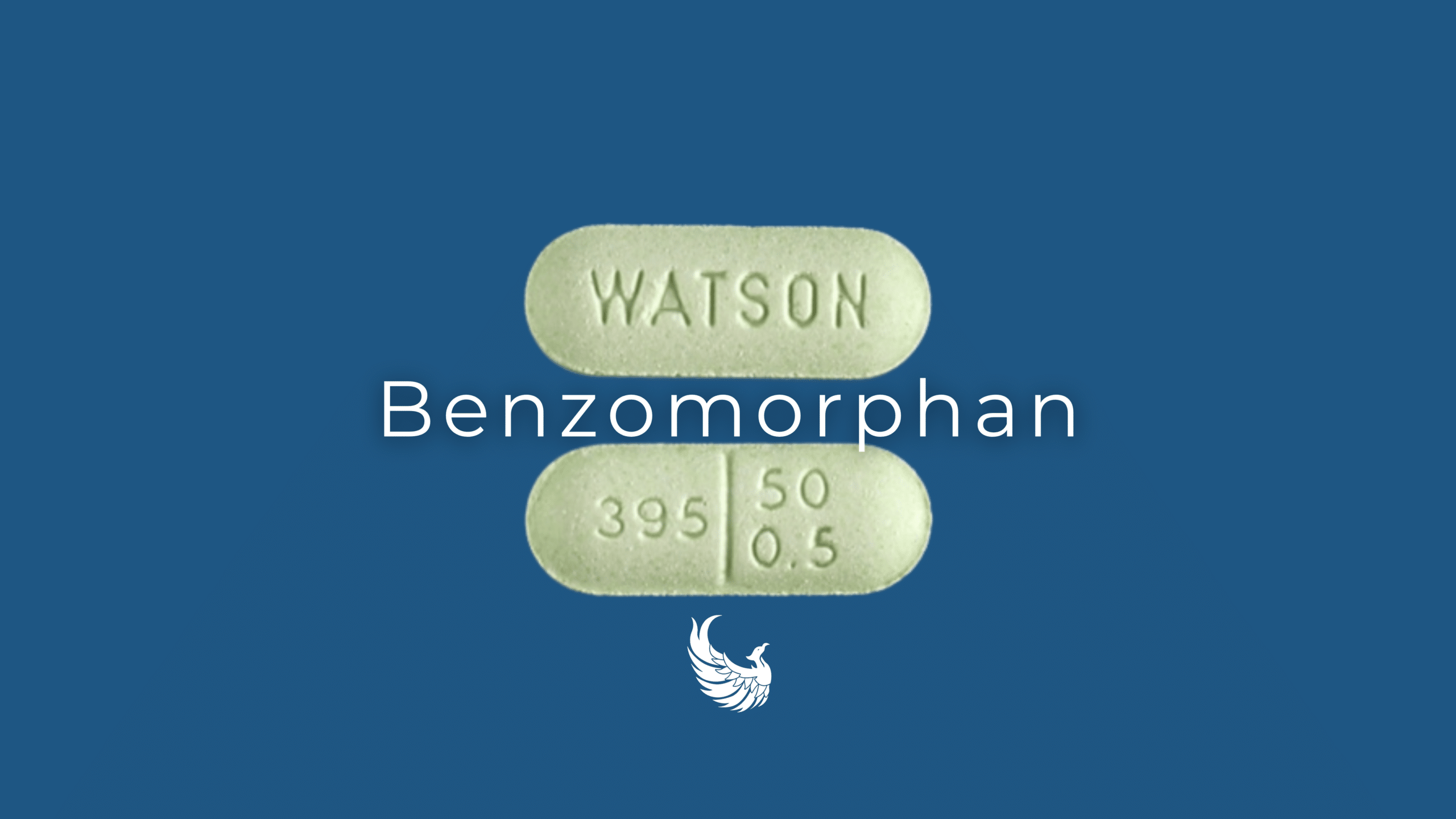
The term benzomorphan may sound like the name of a specific medication, but it generally refers to a chemical structure used to create certain opioid drugs. The best-known benzomorphan medication is pentazocine, an opioid pain reliever commonly associated with the brand name Talwin.
Although some benzomorphan-derived drugs were developed to provide pain relief with fewer risks than traditional opioids, they can still cause physical dependence, withdrawal, misuse, and potentially life-threatening overdose. Understanding how these drugs work can help people recognize the risks and know when professional treatment may be needed.
Benzomorphan at a Glance
| Category | Information |
|---|---|
| Drug type | Synthetic opioid chemical family |
| Best-known example | Pentazocine |
| Common use | Treatment of severe pain |
| How it works | Affects opioid receptors in the brain and nervous system |
| Federal status | Pentazocine, or Talwin, is a Schedule IV controlled substance |
| Major risks | Sedation, respiratory depression, dependence, withdrawal, and overdose |
| Addiction treatment | Medical assessment, withdrawal management, therapy, and medications when appropriate |
What Is Benzomorphan?
Benzomorphan is a simplified chemical structure based on the molecular framework of morphine. Scientists have used this structure to develop medications and research compounds that interact with opioid and other neurological receptors.
It is more accurate to describe benzomorphan as a chemical scaffold or family of compounds than as one individual drug. Different benzomorphan derivatives can have significantly different effects depending on how they interact with receptors in the brain.
Examples of benzomorphan-derived compounds include:
- Pentazocine
- Phenazocine
- Cyclazocine
- Alazocine
Some of these substances have primarily been used in laboratory research or are no longer commonly prescribed. Pentazocine is the benzomorphan medication that people are most likely to encounter in a medical setting.
Is Benzomorphan the Same as Pentazocine?
Benzomorphan and pentazocine are related, but they are not interchangeable terms.
Benzomorphan describes the underlying chemical framework. Pentazocine is a specific opioid medication built from that framework. Pentazocine hydrochloride is classified as a benzomorphan narcotic agonist-antagonist.
Pentazocine is prescribed to relieve severe pain. It changes how the brain and nervous system respond to pain signals, but it can also cause opioid-related side effects and dependence.
How Do Benzomorphan Opioids Work?
Traditional opioid drugs such as morphine, heroin, fentanyl, and oxycodone primarily produce their effects by activating mu-opioid receptors. Pentazocine has a more complicated mechanism.
Pentazocine is generally described as a mixed opioid agonist-antagonist. It produces some opioid effects by stimulating kappa-opioid receptors while having weaker or opposing activity at mu-opioid receptors.
This mixed activity can provide pain relief, but it does not eliminate the possibility of misuse or dependence. It also means pentazocine may interfere with the effects of other opioids.
For someone physically dependent on a full opioid agonist such as heroin, fentanyl, methadone, or oxycodone, taking a mixed agonist-antagonist may trigger sudden withdrawal. Patients should tell their healthcare provider about every opioid or medication they are taking before using pentazocine.
Is Pentazocine a Controlled Substance?
Pentazocine is a federally controlled medication. The Drug Enforcement Administration lists Talwin as a Schedule IV controlled substance.
Schedule IV substances are recognized as having accepted medical uses but still carry a risk of misuse and physical or psychological dependence. Being placed in a lower federal schedule than drugs such as fentanyl or oxycodone does not mean pentazocine is harmless.
Pentazocine should only be taken as prescribed. A person should not increase the dose, take it more frequently, combine it with other substances, or stop taking it suddenly without consulting a healthcare professional.
Benzomorphan and Pentazocine Side Effects
The effects of benzomorphan compounds vary, but pentazocine can cause many of the same side effects associated with other opioid medications.
Common pentazocine side effects may include:
- Drowsiness
- Dizziness or lightheadedness
- Headache
- Nausea
- Vomiting
- Sweating
- Constipation
- Fainting when standing suddenly
More serious reactions can include slowed breathing, long pauses between breaths, severe sedation, confusion, seizures, loss of consciousness, or coma.
Pentazocine can impair judgment and coordination. People should not drive, operate machinery, or perform dangerous tasks until they know how the medication affects them.
Risks of Mixing Pentazocine With Other Substances
Combining pentazocine with alcohol or other central nervous system depressants can significantly increase the risk of dangerous sedation and respiratory depression.
Potentially dangerous combinations include pentazocine with:
- Alcohol
- Benzodiazepines
- Sleep medications
- Muscle relaxers
- Other opioids
- Sedating anxiety medications
- Certain anticonvulsants
- Illicit substances
Mixing these substances can cause extreme drowsiness, slowed breathing, coma, or death. Patients should give their prescriber and pharmacist a complete list of their prescription medications, over-the-counter drugs, and supplements.
Can Benzomorphan Drugs Be Addictive?
Pentazocine can be habit-forming. A person may develop physical dependence, meaning the body adapts to the medication and experiences withdrawal when its use is reduced or stopped.
Physical dependence is not automatically the same as addiction. Someone taking a prescribed opioid appropriately can become physically dependent without compulsively misusing it.
An opioid use disorder may be present when a person has difficulty controlling their use and continues taking opioids despite serious consequences. Possible warning signs include:
- Taking larger doses than prescribed
- Taking doses more frequently
- Running out of medication early
- Visiting multiple prescribers for opioids
- Using the medication for relaxation or emotional escape
- Crushing, dissolving, snorting, or injecting tablets
- Experiencing cravings
- Neglecting responsibilities because of opioid use
- Continuing use despite health, family, financial, or legal problems
- Repeatedly trying and failing to stop
- Using the drug primarily to prevent withdrawal
Pentazocine tablets should only be taken by mouth as directed. Dissolving and injecting the tablets can cause severe injury or death.
Benzomorphan and Pentazocine Withdrawal
A person who has been taking pentazocine regularly should not suddenly stop without speaking to a healthcare provider. A prescriber may gradually reduce the dose to lessen withdrawal symptoms.
Pentazocine withdrawal symptoms may include:
- Anxiety or irritability
- Restlessness
- Watery eyes
- Runny nose
- Frequent yawning
- Sweating
- Chills or goosebumps
- Muscle, back, or joint pain
- Dilated pupils
- Insomnia
- Weakness
- Abdominal cramps
- Nausea or vomiting
- Diarrhea
- Loss of appetite
- Rapid breathing
- Fast heartbeat
The severity and duration of withdrawal depend on factors such as the dose, length of use, other substances being taken, and the person’s overall health.
Because pentazocine has mixed opioid agonist-antagonist properties, it can also precipitate withdrawal in someone who is dependent on stronger mu-opioid agonists. Medical professionals should evaluate a person’s current opioid exposure before beginning withdrawal medications or changing their treatment plan.
Signs of a Pentazocine Overdose
A pentazocine overdose is a medical emergency. Warning signs can include:
- Pinpoint pupils
- Slow, shallow, labored, or absent breathing
- Extreme sleepiness
- Inability to wake the person
- Confusion
- Weak pulse
- Low blood pressure
- Blue or gray lips and fingernails
- Seizures
- Loss of consciousness
- Coma
Call 911 immediately when an opioid overdose is suspected. Administer naloxone when available and stay with the person until emergency help arrives. Additional naloxone doses may be needed if symptoms return before first responders arrive.
Do not assume that someone will recover by “sleeping it off.” A person who is unconscious, breathing abnormally, or making choking or gurgling sounds needs emergency medical attention.
Treatment for Benzomorphan or Pentazocine Addiction
Treatment should be based on the person’s symptoms, medical history, current medications, opioid exposure, and mental health needs. A comprehensive program may involve several levels of care.
Medical Evaluation
Treatment begins with an assessment of the substances being used, withdrawal risk, physical health, mental health, and previous treatment history. This information allows clinicians to build an individualized treatment plan.
Opioid Withdrawal Management
Professional withdrawal management can provide monitoring, symptom relief, medication support, and protection against complications. It also helps prepare the individual to continue into a longer-term treatment program rather than treating detox as a complete solution.
Medications for Opioid Use Disorder
Depending on the individual, clinicians may consider medications such as:
- Buprenorphine
- Methadone
- Naltrexone
These FDA-approved medications can reduce cravings, relieve withdrawal symptoms, block opioid effects, or help stabilize brain function. Medication should be combined with counseling and behavioral support as part of a whole-person treatment plan.
The timing of these medications must be determined by a qualified professional. Starting certain medications at the wrong point in the withdrawal process can cause sudden or intensified symptoms.
Residential Addiction Treatment
Residential care provides structure and separation from environments associated with substance use. Treatment may include individual counseling, group therapy, relapse-prevention education, case management, wellness services, and support for co-occurring mental health conditions.
Behavioral and Trauma-Informed Therapy
Therapy can help individuals understand the emotional, behavioral, and environmental factors contributing to opioid use. Treatment may address trauma, anxiety, depression, chronic pain, family conflict, stress, and other issues that can affect recovery.
Continuing Care
Recovery usually requires support beyond the initial treatment period. Continuing care may include outpatient treatment, peer-support groups, medication management, therapy, recovery housing, alumni programs, and relapse-prevention planning.
Find Opioid Addiction Treatment in Southern California
A prescription opioid can become difficult to control even when it was originally taken for a legitimate medical reason. Experiencing dependence or addiction does not mean someone has failed. It means their brain and body have adapted to an opioid and may require professional support to recover.
Phoenix Rising Recovery offers opioid detox and addiction treatment in Palm Springs, California. Treatment is designed to help individuals manage withdrawal symptoms, address the underlying causes of substance use, and develop the skills needed for long-term recovery.
Contact Phoenix Rising Recovery for a confidential assessment and help determining the appropriate next step.
Frequently Asked Questions
Is benzomorphan an opioid?
Benzomorphan is a chemical framework used to create certain opioid compounds. Pentazocine, the most recognizable benzomorphan-derived medication, is an opioid pain reliever.
Is benzomorphan another name for pentazocine?
No. Benzomorphan describes the broader chemical structure or family. Pentazocine is one specific medication derived from that structure.
Can pentazocine cause withdrawal?
Yes. Regular use can lead to physical dependence, and abruptly stopping pentazocine may produce opioid withdrawal symptoms. Pentazocine may also trigger withdrawal in someone dependent on full opioid agonists.
Can naloxone reverse a pentazocine overdose?
Naloxone is recommended when an opioid overdose is suspected. Give naloxone when available, call 911, and provide additional doses according to the product instructions or emergency dispatcher’s directions if symptoms return.
Should someone detox from pentazocine at home?
A person should speak with a medical professional before abruptly stopping pentazocine. Professional assessment is particularly important when the person is taking high doses, combining substances, has serious health conditions, or has previously experienced severe withdrawal.
This page is intended for educational purposes and is not a substitute for medical advice, diagnosis, or emergency care. Call 911 for a suspected overdose.
Sources
Centers for Disease Control and Prevention. (2024, May 2). 5 things to know about naloxone. https://www.cdc.gov/overdose-prevention/reversing-overdose/about-naloxone.html
National Center for Biotechnology Information. (n.d.). Benzomorphan. PubChem. Retrieved July 17, 2026, from https://pubchem.ncbi.nlm.nih.gov/compound/182394
National Center for Biotechnology Information. (n.d.). Pentazocine hydrochloride. PubChem. Retrieved July 17, 2026, from https://pubchem.ncbi.nlm.nih.gov/compound/Pentazocine-Hydrochloride
National Institute on Drug Abuse. (2025, March 20). Medications for opioid use disorder. https://nida.nih.gov/research-topics/medications-opioid-use-disorder
National Library of Medicine. (2025, September 15). Pentazocine: MedlinePlus drug information. MedlinePlus. https://medlineplus.gov/druginfo/meds/a601092.html
National Library of Medicine. (n.d.). Pentazocine and naloxone hydrochloride tablets [Drug label]. DailyMed. https://dailymed.nlm.nih.gov/dailymed/lookup.cfm?setid=41ebdaaf-3bbc-419f-b996-0341efc14623
Substance Abuse and Mental Health Services Administration. (2021). TIP 63: Medications for opioid use disorder (Publication No. PEP21-02-01-002). https://library.samhsa.gov/product/tip-63-medications-opioid-use-disorder/pep21-02-01-002
Substance Abuse and Mental Health Services Administration. (2025, August 25). Treatment options for substance use disorder. https://www.samhsa.gov/substance-use/treatment/options
U.S. Drug Enforcement Administration. (n.d.). Drug scheduling. Retrieved July 17, 2026, from https://www.dea.gov/drug-information/drug-scheduling
U.S. Food and Drug Administration. (2026, June 16). Access to naloxone can save a life during an opioid overdose. https://www.fda.gov/consumers/consumer-updates/access-naloxone-can-save-life-during-opioid-overdose